When you are already carrying the emotional weight of symptoms, fertility concerns, or repeated scans and opinions, the words “surgery for the uterus” can feel intimidating. Laparoscopic surgery for the uterus is often a gentler, minimally invasive option that treats many common gynaecologic conditions while supporting a quicker, safer recovery for most women.
For families exploring laparoscopic surgery in Coimbatore, it helps to understand what actually happens in the operation theatre, what benefits are real, and what recovery truly looks like, week by week.
If you would like to explore your options with a team that has guided generations of women, you can start by learning more about care at Rao Hospital in Coimbatore.
What is laparoscopic surgery for the uterus?
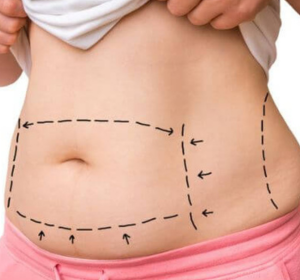
Laparoscopy is a minimally invasive surgical technique where the surgeon operates through a few small cuts on the abdomen instead of a single large incision. A tiny camera helps the surgical team see the pelvic organs clearly, and fine instruments allow precise treatment.
Uterus-related laparoscopic procedures can include:
- Laparoscopic hysterectomy (removal of the uterus)
- Laparoscopic myomectomy (removal of fibroids while preserving the uterus)
- Treatment for endometriosis, adhesions, ovarian cysts, or tubal issues
- Diagnostic laparoscopy when symptoms and scans do not fully match
For many women in their 30s and 40s, this approach is also part of fertility planning, especially in PCOS, endometriosis, fibroids, or unexplained infertility.
Why might your doctor recommend it?
A laparoscopic approach may be advised when symptoms affect quality of life or fertility, and when the goal can be safely achieved through minimally invasive access.
Common reasons include:
- Heavy or painful periods, pelvic pain, or pressure symptoms
- Fibroids, adenomyosis, or suspected endometriosis
- Recurrent pregnancy loss where uterine factors are suspected
- Persistent pelvic infection or adhesions
- When hysterectomy is medically indicated after evaluation
Not every case is suitable for laparoscopy. Prior abdominal surgeries, the size and position of fibroids, severe endometriosis, or other medical factors can influence the safest plan.
How the procedure works (step by step)
While exact steps vary, most uterine laparoscopic procedures follow a similar flow:
- Anaesthesia is given so you are asleep and comfortable.
- Small incisions are made (often 0.5 to 1 cm).
- The abdomen is gently inflated with gas to create working space.
- A camera and instruments are inserted to treat the condition.
- Tissue may be removed through small ports or sometimes through the vagina, depending on the procedure.
- Incisions are closed with sutures or surgical glue.
A useful detail many patients appreciate knowing: mild shoulder pain for a day or two can happen after laparoscopy due to the gas used, and it is usually temporary.
Key benefits compared to open surgery
In appropriate patients, laparoscopic surgery is associated with meaningful advantages:
- Less post-operative pain for many women
- Smaller scars and less wound-related discomfort
- Lower blood loss in many cases
- Lower risk of certain wound complications and infections
- Shorter hospital stay, often same day or 1 to 2 days for many procedures
- Faster return to daily activities compared to open abdominal surgery
Early mobilization after surgery is also strongly encouraged because it helps reduce complications like blood clots and chest infections, and can support bowel recovery.
Recovery: what to expect and what is normal
Recovery is individual, but these are common experiences:
- Tiredness for several weeks (even when incisions look “healed”)
- Mild bloating and abdominal soreness
- Light vaginal bleeding or discharge for a period, especially after hysterectomy
- Temporary shoulder-tip pain for 1 to 2 days in some patients
Your surgeon will also advise restrictions that protect healing, such as avoiding heavy lifting and pausing intercourse or tampon use for a recommended period.
A simple recovery timeline (general guide)
| Time after surgery | What many patients can do | What to avoid |
| Day 0 to 2 | Short walks, light diet as advised, basic self-care | Straining, long stair climbing, heavy lifting |
| Week 1 | Gentle walking, light household tasks | Gym workouts, lifting, driving if on pain meds |
| Weeks 2 to 4 | Many return to desk work, gradual activity increase | High-impact exercise, intercourse unless cleared |
| Weeks 4 to 6+ | Stronger stamina, more normal routine | Anything your surgeon has not cleared yet |
Some women feel largely better in 2 to 4 weeks after laparoscopic hysterectomy, while others take longer to feel fully back to normal. For certain patients, full recovery can extend to 2 to 3 months, especially if anaemia, endometriosis, or extensive surgery was involved.
“What is durbin operation?” A gentle clarification
Many patients search “what is durbin operation” when trying to understand uterine surgery options. This term is not commonly used as a standard, universally accepted name for a specific uterine procedure in modern gynaecology, and it may be used informally or regionally for different surgeries.
If you have been told you need a “Durbin operation,” ask your doctor to write down:
- The exact medical name of the procedure
- The organ involved (uterus, cervix, tubes, ovaries)
- Whether it is laparoscopic, vaginal, or open
- Expected recovery and fertility impact, if relevant
Choosing the right team in Coimbatore
If you are searching phrases like best hospital in coimbatore for laparoscopic uterus surgery or best laparoscopic surgeon in coimbatore, look beyond marketing and focus on safety and depth of care:
- Clear diagnosis and alternatives explained (including non-surgical options when appropriate)
- Expertise in minimally invasive gynaecology and complex pelvic conditions like endometriosis
- Strong anaesthesia, radiology, and critical care support
- A thoughtful recovery plan, including pain control, nutrition, and follow-up
At Rao Hospital, minimally invasive care is supported by dedicated infrastructure and experienced teams through the Laparoscopy and MIS services, with patient safety and long-term wellbeing kept at the centre of every decision.
If you are ready to take the next step toward relief, better fertility outcomes, or a safer surgical plan, the team at Rao Hospital is here for you. With over 70 years of compassionate care and more than 30,000 successful infertility treatments, you are in trusted hands. Call us at +91 96299 19191 or visit www.raohospital.com to schedule your consultation today.