
It can be hard on both the body and the mind to be in constant pain It alters the way people go about their lives and relate to one another. Some people try treatment, medicine, or home cures, but they don’t work for them. This is when therapeutic pain control techniques can be particularly helpful.
What does “interventional pain management” mean?
Interventional pain treatment focuses on using slightly invasive ways to treat the cause of the pain. Instead of just taking pills, it could use shots, nerve blocks, or other advanced treatments to go after the spot itself.
People with diseases like severe back pain, neck pain, spinal disorders, or nerve-related problems are often given these treatments. They strive to assist individuals regain a higher quality of life, enhance function, and reduce discomfort.
Normal procedures that patients can expect
Interventional pain treatments that are used the most are
- Epidural Steroid Injections: These put painkillers and anti-inflammatory drugs close to nerves that are swollen and hurting to reduce swelling and pain.
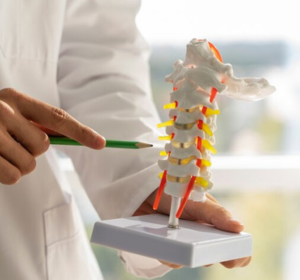
- Facet Joint Injections: These take away pain that comes from the small joints in the spine.
- Radiofrequency ablation: Radiofrequency ablation is a treatment that employs heat to block neurons from sending pain signals.
- Nerve blocks: Nerve blocks are shots that numb certain nerves to stop them from sending pain.
Most of the time, these ways are done without a patient being present. Recovery is usually pretty quick, so people can get back to their normal lives quickly.
What to Expect When You Go
A pain management doctor near you will ask you about your signs, your medical history, including any imaging tests in order to make a diagnosis. After that, they’ll tell you please what treatment choices you have and help you make the best choice. Because they use local anaesthesia, you are awake but not scared during most treatments. You may feel pressure compared to pain while the process is going on. Most of them take less than an hour, and you can go home the same day.
Advantages and Things to Think About
The best thing about surgical pain management is that it can help with localized pain without needing major surgery. But results can be different based on the situation, and treatments may need to be done more than once to have long-lasting benefits.
Also, it’s important to remember that these treatments work best when they’re part of a bigger plan that includes things like physical therapy, exercise, and making healthy changes to your lifestyle.
Last Thoughts
Interventional pain management gives people more options for dealing with pain and getting back on their own. To make your life safer and more active, it can be a good first step if you get the right help and advice.
Read More about 5 Ways to Reduce Carpal Tunnel Pain