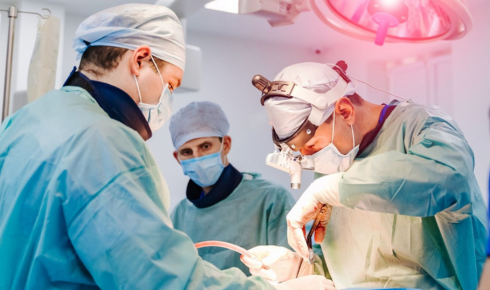
Venous ulcers can feel like a daunting challenge. These stubborn wounds often arise due to issues with blood flow, particularly from conditions like chronic venous insufficiency Davenport. Vascular surgeons tackle these ulcers with precision and care. They focus on both treatment and prevention. Understanding their approach can help manage and even avoid these painful wounds. Let’s explore how they do it.
Understanding Venous Ulcers
Venous ulcers occur when veins in the legs don’t return blood back to the heart efficiently. Poor blood flow leads to increased pressure in the veins. This pressure can cause open sores. The most common site is near the ankle.
Treatment Options
Vascular surgeons employ several strategies to treat venous ulcers:
- Compression Therapy: The cornerstone of treatment. It involves wearing special socks or bandages. These help improve blood flow and reduce swelling.
- Wound Care: Keeping the ulcer clean and covered. This helps prevent infection and aids healing.
- Medications: Often used to reduce pain and inflammation. Antibiotics are prescribed if infection is present.
Surgical Interventions
In some cases, surgery might be necessary. Vascular surgeons may perform procedures to improve blood flow. These can include vein repair or removal.
Prevention Strategies
Prevention focuses on improving circulation and managing risk factors. Activities include:
- Exercise: Regular physical activity improves blood flow and strengthens muscles.
- Elevate Legs: Keeping legs elevated helps reduce pressure in leg veins.
- Proper Footwear: Wearing supportive shoes can improve circulation.
These steps can significantly reduce the risk of developing venous ulcers.
Comparison of Treatments
| Treatment | Benefits | Challenges |
| Compression Therapy | Reduces swelling, improves blood flow | Requires consistent use |
| Wound Care | Prevents infection, aids healing | Needs proper cleaning and dressing |
| Medications | Reduces pain, treats infection | Possible side effects |
What to Expect
Healing from venous ulcers can take time. Patience and consistency with treatment are crucial. Regular visits to a healthcare provider are important for monitoring progress.
The National Institutes of Health offers additional guidance and support.
Conclusion
Vascular surgeons play a vital role in managing venous ulcers. Through a combination of treatment and prevention, they help patients heal and improve their quality of life. By understanding these strategies, it’s possible to manage and prevent these ulcers effectively. Following the advice of medical professionals is key to success in dealing with these conditions.